Describe About Alcohol What Occurs When One Uses the Drug
Initial Contact Experimentation Integrated Use Excessive Use Addiction. It is one of the oldest and most common recreational substances causing the characteristic effects of alcohol intoxication drunkenness.

Is Alcohol A Drug Find Out Here Addiction Center
The amount of alcohol in your blood is called your blood alcohol level.

. Use of ethanol as a fuel. Loss of inhibitions relaxation loss of judgment loss of coordination increased aggression decreased heart rate slower respiration sleep interference damage to the brain liver and other internal organs depression tolerance withdrawal and. Chronic abuse of many drugs can result in the development of cardiovascular issues.
First time one tries alcoholdrugs. It is classed as a depressant meaning that it slows down vital functionsresulting in slurred speech unsteady movement disturbed perceptions and an inability to react quickly. With alterations in brain function also come behavioral changes.
Alcohol is a nervous system depressant and is the most commonly used and abused drug in the United States. A veteran who uses drugs to deal with symptoms of PTSD. Mixing alcohol with medications or street drugs is extremely dangerous and can be fatal.
In order for a person to be diagnosed with an AUD they must have experienced 2 or more of the following in the past year. Alcohol is a drug. Drinking large amounts can lead to a coma and even death.
A person may drink alcohol at a social setting take cocaine sometimes or smoke marijuana occasionally. Among other effects alcohol produces happiness and euphoria. This can also extend to the vascular system of the brain.
People lacking positive daily interaction may choose to use substances to feel happy or content. Alcohol interferes with the brains communication pathways and can affect the way the brain looks and works. Individual drug set setting.
A college student who uses stimulant drugs to deal with depression. One of the simplest ways of taking drugs is through the mouth and allows the drugs to move onto the stomach where they are absorbed by the stomach lining and then enter the bloodstream. Some of these might include.
There are a lot of examples of how people use drugs and alcohol to cope with mental illnesses. Chronic alcohol use can lead to an alcohol use disorder or AUD. However it can have inconsistent effects exciting users under some conditions and sedating users under other conditions.
Shortened attention span and mania can also be a result of extended drug abuse. Drug addiction is a chronic disease characterized by drug seeking and use that is compulsive or difficult to control despite harmful consequences. 14 I feel withdrawal symptoms as the effects of alcohol wear off.
Drug use is a progressive disease so positive initial contact usually leads to experimentation. A person who abuses alcohol has a greater risk of using at least one other substance such as marijuana cocaine and heroin. Typically users who indulge in this kind of drug use do so to create or enhance an experience.
Substance abuse involves the chronic use of alcohol and drugs. A young person who drinks to avoid feeling stressed out or anxious. Gasohol is a petrolethanol mixture containing approximately 1020 ethanol.
This stage is the social or casual use of a drug. Issues with the vascular system of the brain. An increase in the effects of the alcohol particularly in ones motor functioning such as coordination and a reduction in reaction time.
Including trouble sleeping shakiness restlessness nausea sweating a racing heart or a seizure. Alcohol stays in your bloodstream until it is broken down by the liver. An increased potential for damage to organs such as the liver.
Heres how alcohol can affect your body. Individuals with chronic alcohol use disorders may demonstrate problems with movement as a result of cerebellar damage. The most common drugs to be taken in this way are alcohol marijuana opium amphetamines ecstasy LSD and magic mushrooms.
Prolonged drug and alcohol use can lead to seizure stroke and permanent brain damage which can lead to impaired memory vision decision-making and confusion. 3 components of drug use. As for how it affects the mind it is best understood as a drug that reduces a persons ability to think rationally and distorts his or her judgment.
Alcohol depresses your central nervous system brain and spinal cord lowers inhibitions 1 and impairs judgment. Prolonged consumption of drugs and alcohol increases your tolerance therefore requiring more of the substance to achieve the same desirable effects. Because ethanol can be produced by fermentation this is a useful method.
Describe each of the stages of alcoholdrug use. They turn to drugs and alcohol thinking that it will fill a void that they have been living with. Certain classes of antidepressant drugs may be deferentially affected by the use of alcohol.
Additionally users begin to alienate themselves further if they fear being judged or that help is not available to them. These disruptions can change mood and behavior and make it harder to think clearly and move with coordination. Excitement typically at lower doses may be due to alcohol suppressing the inhibitory parts of the brain.
Ethanol burns to produce carbon dioxide and water as shown in the equation below and can be used as a fuel in its own right or in mixtures with petrol gasoline. This experience may be a music event a social event or simply going to a bar or nightclub. Drinking too much on a single occasion or over time can take a serious toll on your health.
Alcohol influences your brain and leads to a loss of coordination slowed reflexes distorted vision. Brain changes that occur over time with drug use challenge an addicted persons self-control and interfere with their ability to resist intense urges to take drugs. Alcohol sometimes referred to by the chemical name ethanol is a psychoactive drug that is the active ingredient in drinks such as beer wine and distilled spirits hard liquor.
What happens next - in detail. It usually peaks in the blood after 30-90 minutes and is carried through all the organs of the body. When it comes to the brain alcohol acts as a depressant to the CNS.
After a drink is swallowed the alcohol is rapidly absorbed into the blood 20 through the stomach and 80 through the small intestine with effects felt within 5 to 10 minutes after drinking. These effects may appear within 10 minutes and peak at around 40 to 60 minutes. Alcohol slows your breathing rate heart rate and how well your brain functions.
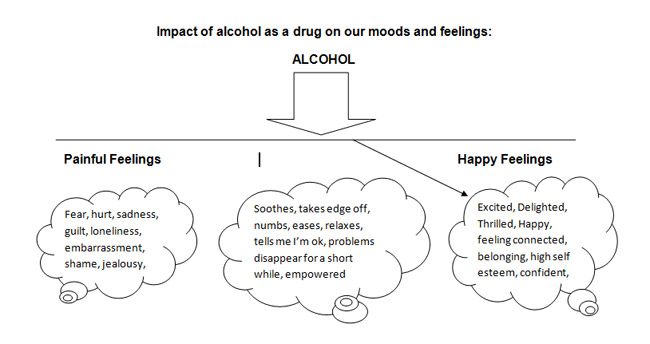
How Alcohol Affects Mood Drug And Alcohol Information And Support In Ireland Drugs Ie
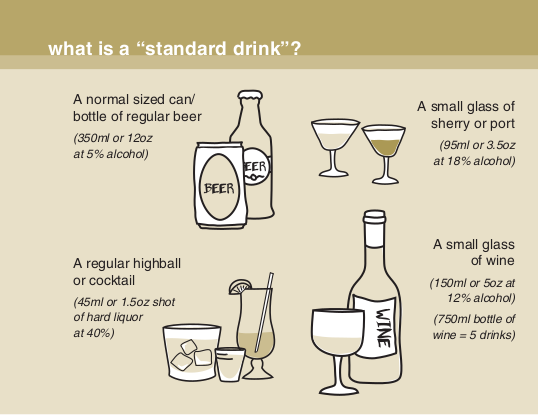
Learn About Alcohol Here To Help
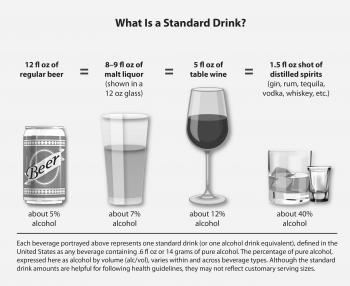
Introduction National Institute On Alcohol Abuse And Alcoholism Niaaa
Alcohol The Most Commonly Used And Abused Substance Rehab Spot

Comments
Post a Comment